BEGINNER'S GUIDE TO AT HOME DERMAPLANING
Pass the razor — face shaving, or rather, Dermaplaning, has become one of the most requested treatments in salons. Here's why we're sold on it, and how you can do it safely at home.
What is Dermaplaning?
Dermaplaning is an effective exfoliation procedure that involves using a small blade to remove the top layer of skin — the layer that accumulates dirt, oil and dead skin cells leading to clogged pores and dull skin. It also removes vellus hair (peach fuzz). It triggers cell regeneration and allows skincare products to better penetrate the skin.
The Benefits of Dermaplaning
- Instant results and no downtime
- Deeper product penetration — your serums and moisturisers work harder
- Removes peach fuzz that traps dirt and oils
- Lightens pigmentation
- Promotes smoother skin and reduces fine lines
- Reduces the appearance of acne scars
- Works on all skin types
Silki Dermaplaning Blades
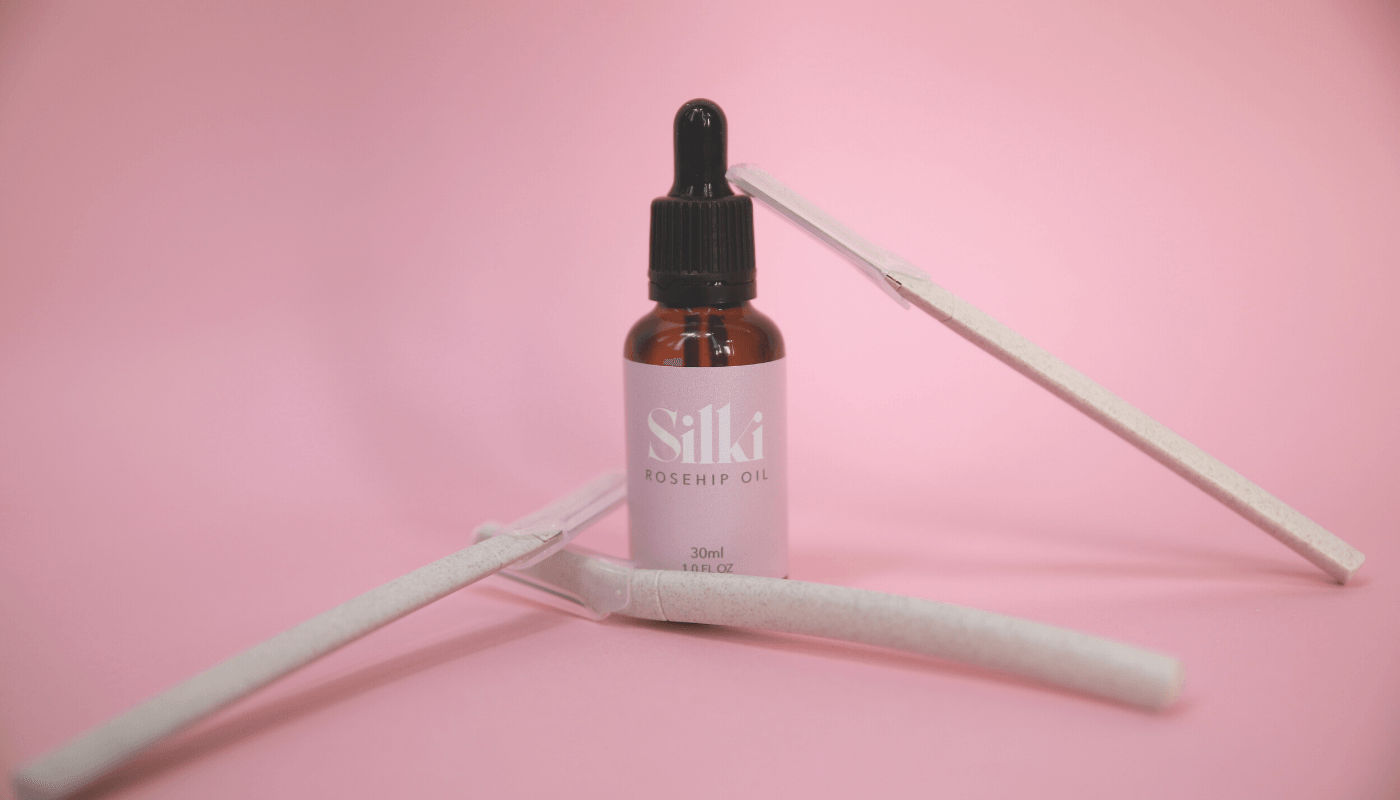
The Silki Dermaplaning Blades make dermaplaning effortless. Each blade has a stainless steel edge and an eco-friendly, biodegradable handle made from wheat straw — a win for your skin and the environment. Also available as a Dermaplaning Blades & Rosehip Oil set for a complete treatment.
How to Dermaplane at Home
Before you get started:
- Start with a clean face — use your cleanser first
- Do not use over active acne
- Prime your skin with Rosehip Oil or Aloe Vera Gel
Pull the skin taut and use short, light strokes at a 45-degree angle. Start at the top of the ear, make small downward strokes across the cheek, then move to the chin and forehead. Avoid the hairline, eyelids and sides of the nose. Once done, apply a facial oil or moisturiser to soothe and hydrate.
Results last up to four weeks. Done monthly, dermaplaning is the gift that keeps on giving.
Also read: The Right Way to Get Rid of Ingrown Hairs