"Dermatologically Tested" vs. "Dermatologically Approved" – What Do They Really Mean?
You've seen the words "Dermatologically Tested" or "Dermatologically Approved" on skincare products and thought, sounds reassuring — but what does it actually mean? Let's break it down so you can make smarter choices.
What Does "Dermatologically Tested" Mean?
A product that is Dermatologically Tested has been tested on human skin under the supervision of a dermatologist to check for potential reactions like irritation, redness or allergies. Importantly, it doesn't guarantee the product is suitable for everyone — it just means it was evaluated for skin reactions.
What About "Dermatologically Approved"?
This goes a step further. A Dermatologically Approved product has not only been tested but also endorsed by dermatologists — meaning it meets certain skincare safety standards and the formula has been reviewed as suitable for its intended use. However, there's no universal standard for what qualifies as "approved", so criteria can vary between brands.
Does This Mean the Product Is 100% Safe for You?
Not necessarily. Every person's skin is unique, and even a dermatologically tested or approved product can cause irritation if it contains ingredients that don't suit your skin type. That's why patch testing is still important regardless of what the label says.
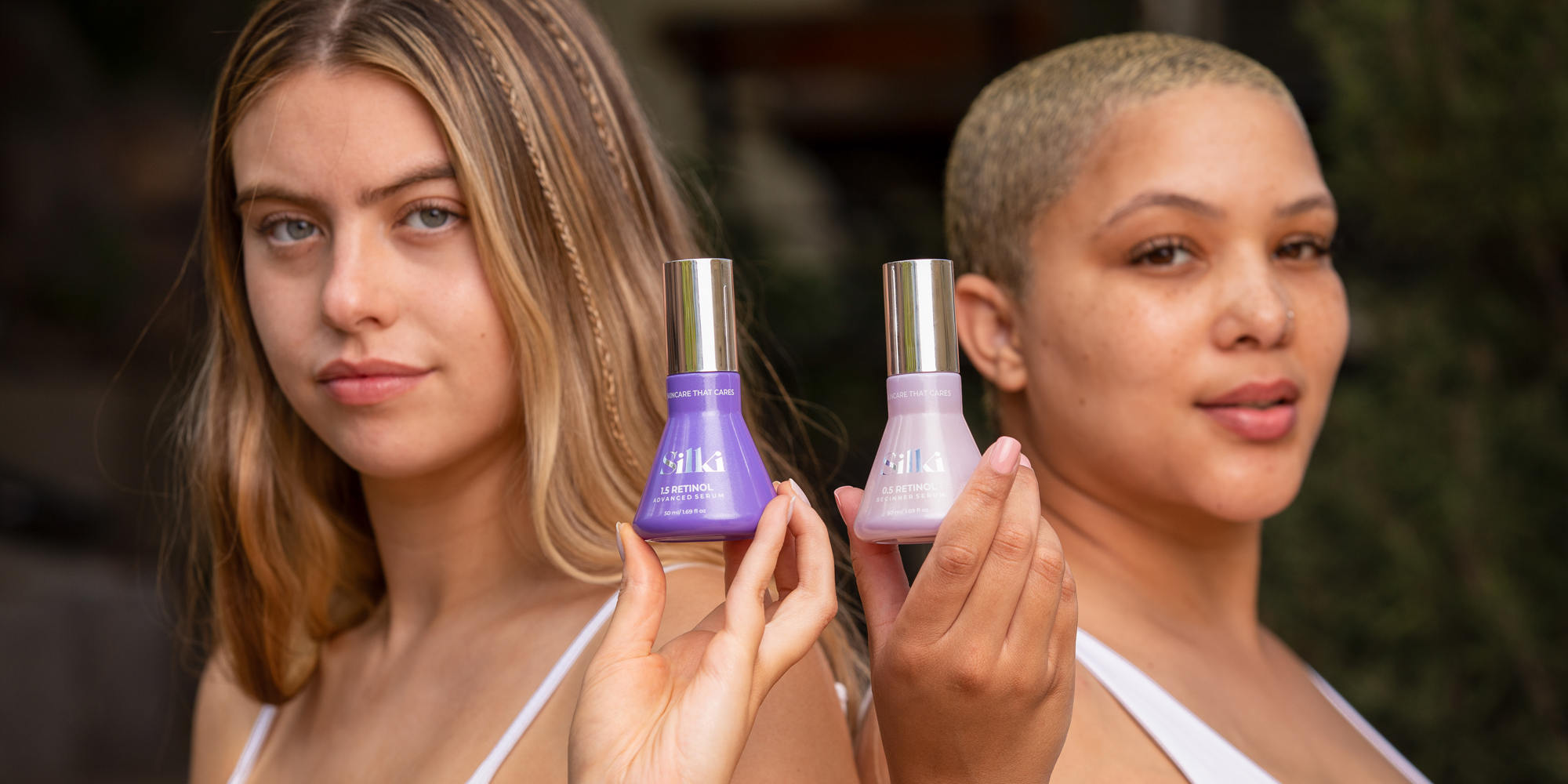
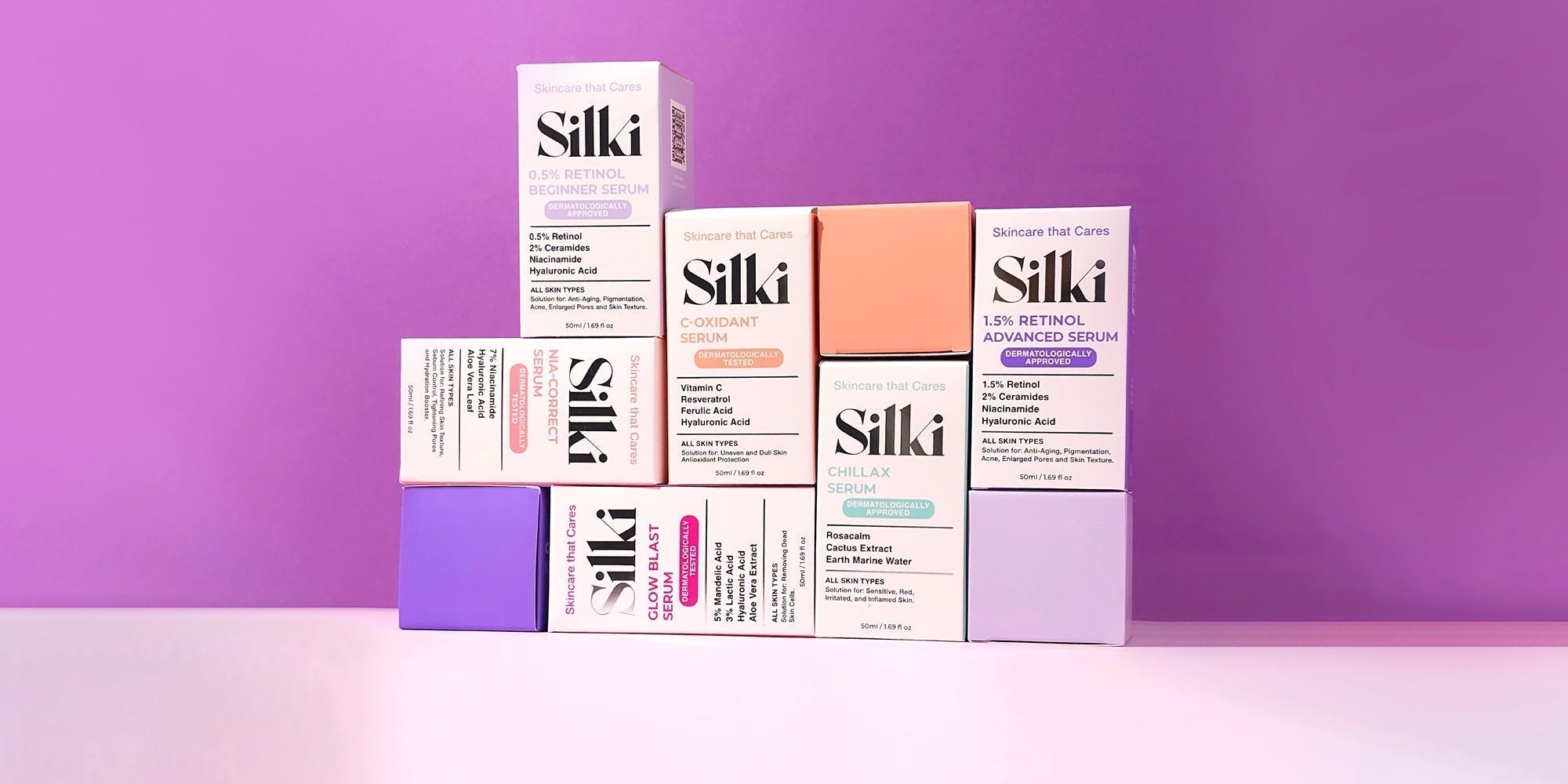
All Silki products are Dermatologically Approved — but we still recommend patch testing whenever you introduce a new product to your routine.
Final Thought: Read Beyond the Label
Next time you see these terms, you'll know that while they're good signs, they don't tell the whole story. Always check the ingredient list, consider your skin type, and when in doubt — patch test first.
Also read: Why You Should Always Patch Test New Skincare Products