Your Pillow Might Be Ruining Your Skin
We talk a lot about skincare routines — the serums, the masks, the oils. But what about the 8 hours your skin spends pressed up against your pillowcase every night? It turns out, your bed might be undoing all the good you're doing with your skincare.
The Dirty Truth About Pillows
Most of us don't wash our pillowcases as often as we should. But your pillow is a breeding ground for bacteria, oil, sweat, dead skin, hair products and more. Now imagine your freshly cleansed face rubbing against all that every night — it's basically a nightly bacterial facial. And not the good kind.
What Happens to Your Skin?
- 🧼 Breakouts and congestion — dirty pillowcases transfer bacteria and clog pores, causing whiteheads, blackheads and cystic acne especially on cheeks and jawline
- 🛏️ Irritation and inflammation — friction and bacteria mess with your skin barrier, causing redness, itching and dry patches
- 🦠 Bacterial imbalances — especially if you have sensitive skin, reintroducing bacteria every night prevents your skin from healing
Sleep Hygiene = Skin Hygiene
- Switch to silk or satin pillowcases — less friction, less irritation
- Change pillowcases every 2-3 days — your skin will notice the difference
- Tie your hair up — oils and products from hair transfer easily onto your face
- Avoid sleeping face-down — reduces pressure and bacterial transfer
The One Thing You Should Do Every Night
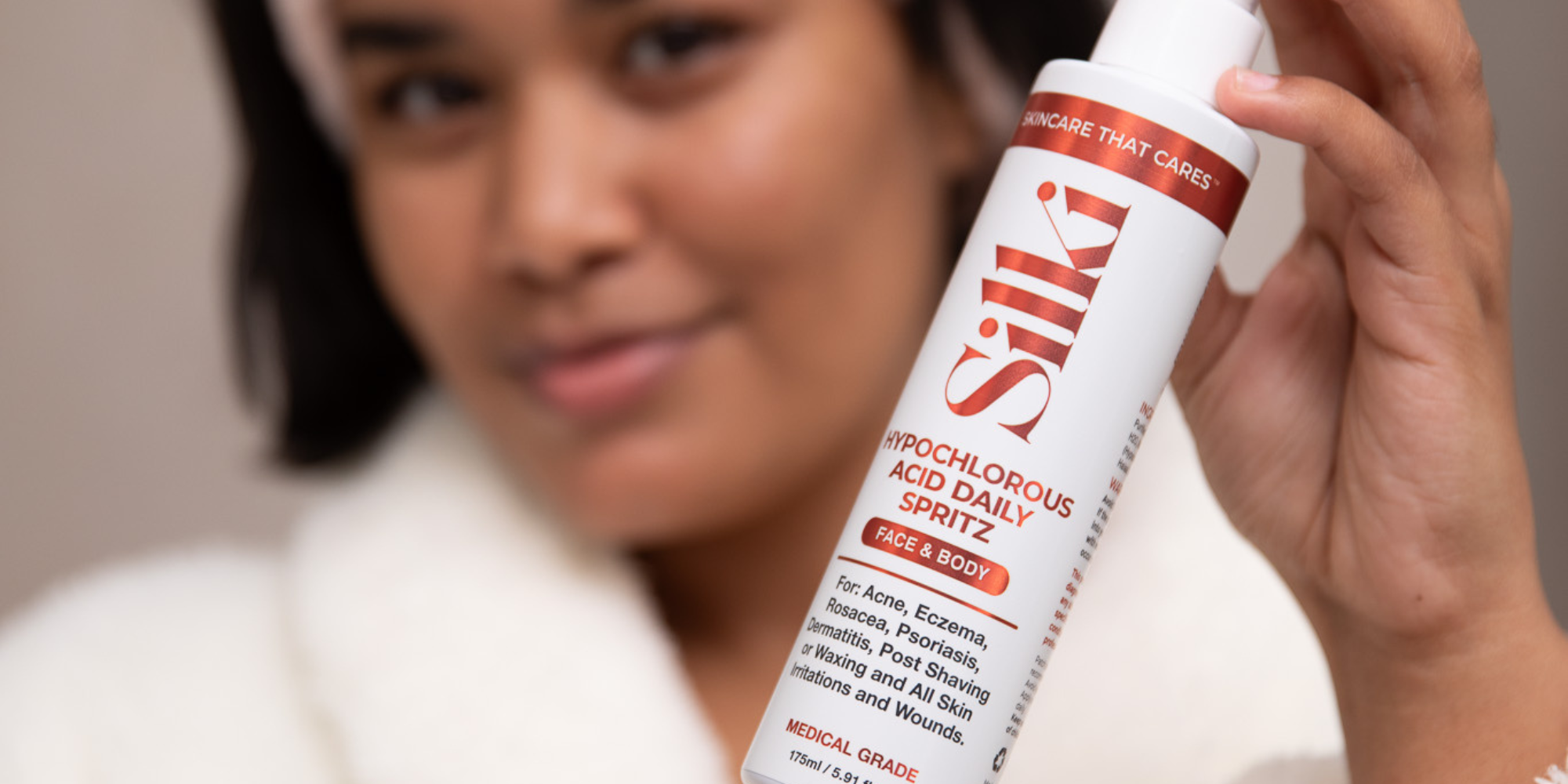
No matter how clean your sheets are, skin gets exposed to bacteria day and night. That's why Silki's Hypochlorous Acid Daily Spritz is a final cleanse before bed — and a morning skin reset too. It neutralises bacteria, calms inflamed skin and supports barrier healing. A few spritzes post-cleanse is all it takes. No rinsing. No burning. Just clean, calm skin — even if you forgot to wash your pillowcase again.
Shop Hypochlorous Acid Daily Spritz →
Also read: Sweet Dreams for Silky Skin: How Sleep Affects Your Complexion