Why You Should Always Patch Test New Skincare Products
Trying out a new skincare product is always exciting. But before applying it all over your face, there's one crucial step you shouldn't skip: the patch test.
What Is a Patch Test?
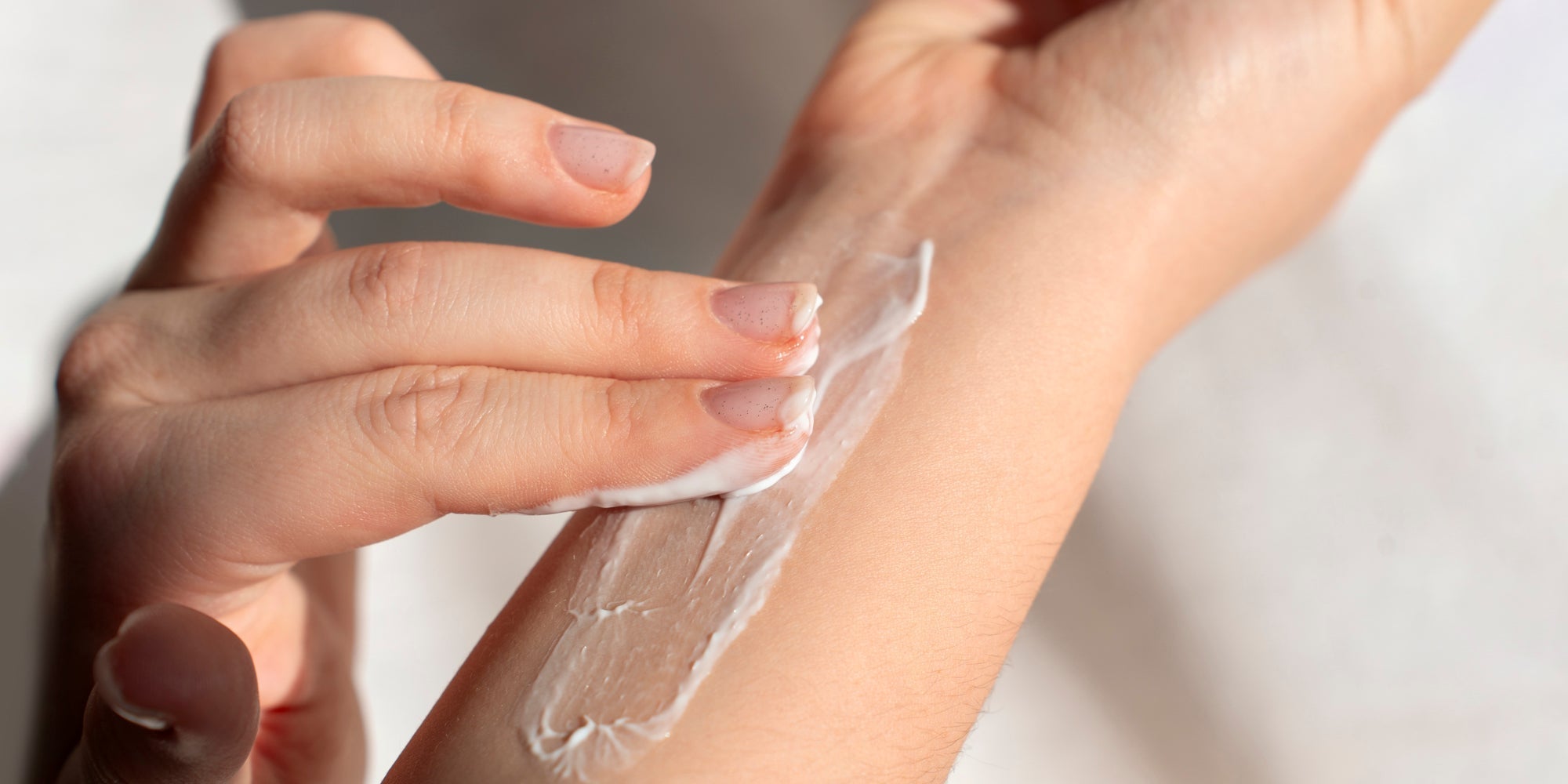
A patch test is a simple way to check how your skin will react to a new product before using it fully. Apply a small amount to a discreet area (like behind your ear or your inner forearm) and wait 24-48 hours to see if any irritation, redness or breakouts occur.
Why Is Patch Testing Important?
- Prevents allergic reactions — even products labelled "hypoallergenic" or "dermatologically tested" can cause reactions in individual skin types
- Avoids skin irritation — active ingredients like retinol, acids or essential oils can be too harsh for some skin types. Testing first saves you from unexpected irritation and potential skin barrier damage
- Protects against breakouts — if you have acne-prone skin, new ingredients might clog pores or trigger reactions
- Identifies delayed sensitivities — some reactions don't appear immediately; 24-48 hours reveals delayed irritation
How to Properly Patch Test
- Choose a test spot — inner forearm, behind the ear or along the jawline
- Apply a small amount — pea-sized, leave on as instructed by the product
- Wait 24-48 hours — monitor for redness, itching, swelling or breakouts
- Check the results — no reaction? You're good to go. Irritation? Discontinue immediately and let your skin recover with a gentle barrier moisturiser
Patch testing might seem like an extra step, but it can save your skin from a lot of trouble. A little patience now prevents a major skin disaster later.
Also read: Skin Purging vs. Irritation: How to Tell the Difference