Mineral vs Chemical Sunscreen - what's the TEA
Sunscreens can be confusing, and there's a lot of opposing information about which type is best. Let's break down the difference between mineral and chemical sunscreen so you can make the right choice for your skin.
What Is Mineral Sunscreen?
Also called physical sunscreen, mineral sunscreen sits on top of the skin and blocks UV rays at the surface using ingredients like zinc oxide or titanium dioxide. Formulations tend to be thicker and can potentially leave a white cast on darker skin tones.
What Is Chemical Sunscreen?
Chemical sunscreen uses active ingredients to absorb UV rays, convert them into heat and release them through the skin. Chemical sunscreens are usually lighter, clearer and more comfortable to wear daily.
Mineral vs Chemical: The Key Difference
Mineral sunscreens block rays at the surface. Chemical sunscreens absorb rays like a sponge. Both provide effective protection when used correctly — the best sunscreen is the one you'll actually wear consistently.
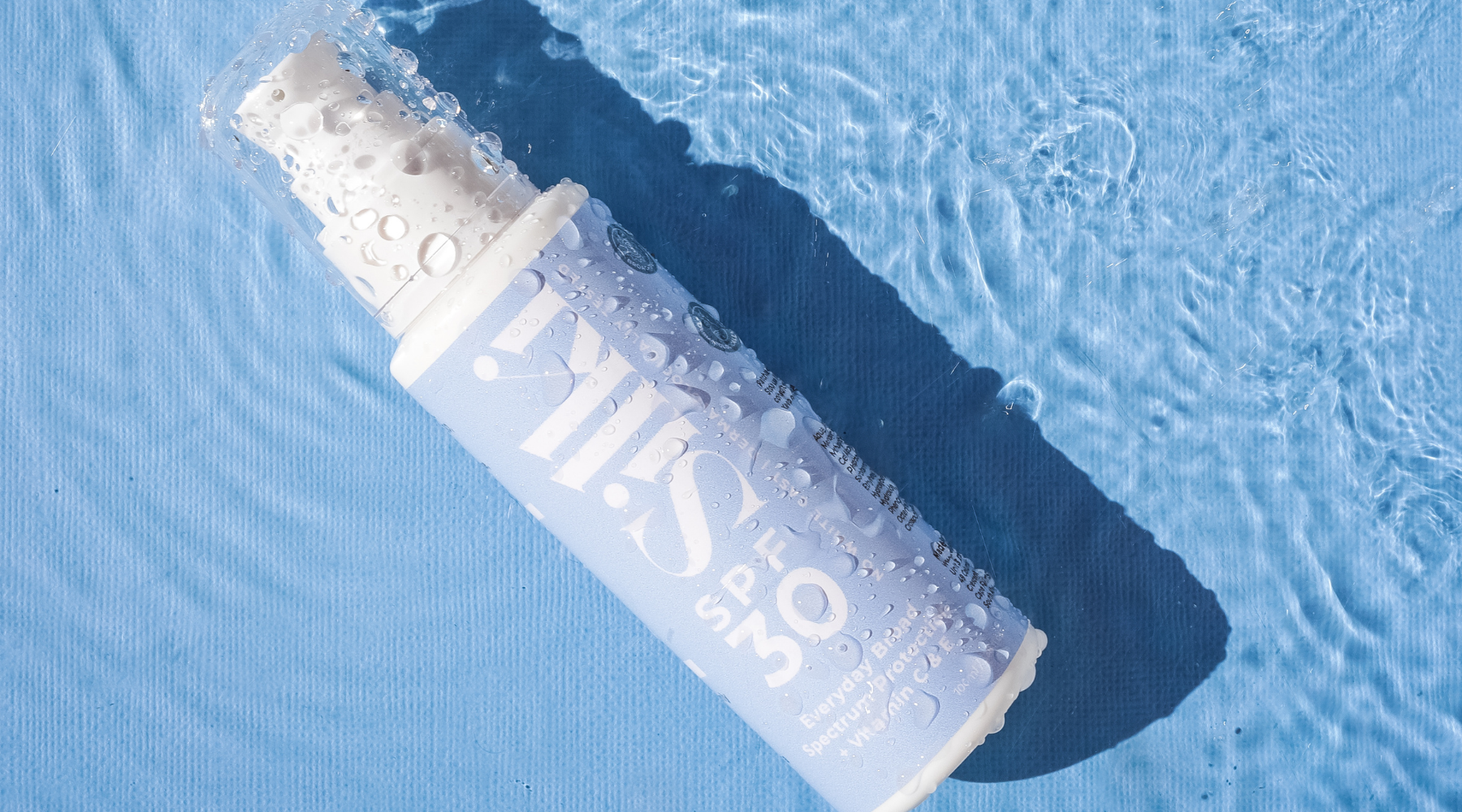
Pay less attention to the mineral vs chemical debate and focus on finding a broad-spectrum sunscreen you love that's SPF 30 or higher. Silki's SPF30+ Daily Defence Sunscreen and SPF30+ 100ml are dermatologically approved, leave no white cast and hydrate while protecting — making them easy to wear every day.
Why You Should Never Skip SPF
Both UVA and UVB rays cause skin damage, even on cloudy days. UVA rays are the main contributor to premature ageing. UVB rays cause sunburn. HEV (blue light) from your phone and laptop screen also affects skin over time. Daily SPF protects against all of these.
Also read: Can Your Sunscreen Handle the Heat?