
The Ultimate Beginner’s Guide to Skincare
Starting a skincare routine can feel overwhelming. The truth is, healthy skin doesn't need to be complicated. If you're just starting out, focus on simplicity, consistency and gentle care.
1. Know Your Skin Type and Skin Concerns
Before you buy anything, understand your skin and what issues you want to address.
Skin type refers to how your skin generally behaves:
- 🌿 Oily: Shiny and prone to breakouts
- 💧 Dry: Tight, flaky or rough — browse dryness solutions
- 🌤️ Combination: Oily in some areas, dry in others
- ✨ Sensitive: Easily irritated or red — browse sensitivity solutions
Skin concerns are the specific issues you want to improve, such as acne, pigmentation, dryness, fine lines or redness. Understanding both your skin type and your main concerns helps you choose products that work with your skin, not against it.
2. Start with the Basics: Cleanser, Serum and SPF
🪷 Cleanser — removes dirt, oil, makeup and impurities without stripping your skin. A gentle cleanser is key to maintaining your skin's natural barrier. Try the Glow Cleanser for a brightening daily cleanse, or the Pore Cleansing Foaming Wash for oily skin.
🧴 Serum — lightweight, concentrated treatments that address specific concerns:
- Acne: Nia-Correct Serum (Niacinamide) or Pimple ZAP for spots
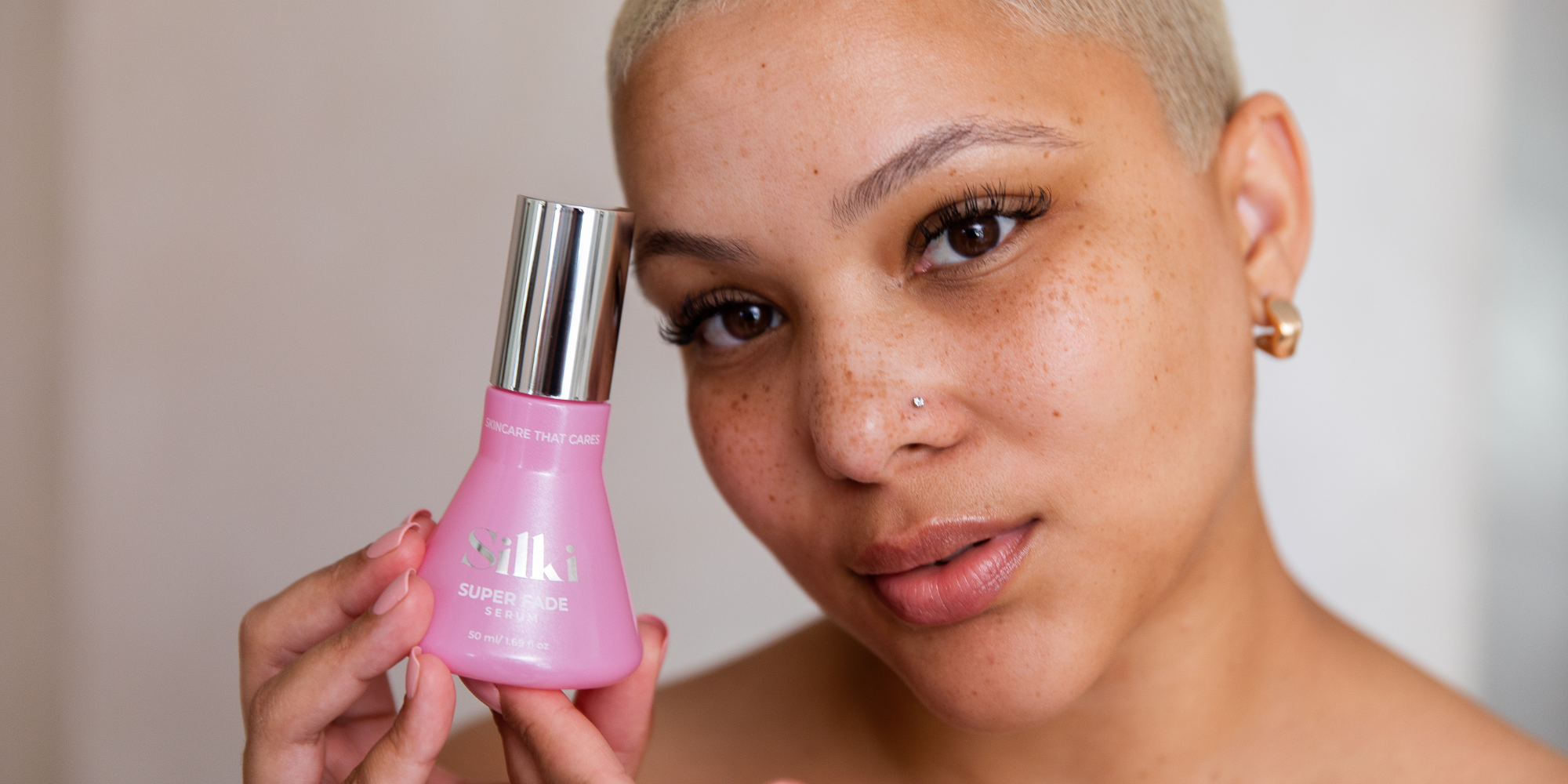
- Pigmentation: Super Fade Serum (Kojic Acid + Vitamin C)
- Dryness: Age Defy Serum (peptides + Hyaluronic Acid)
- Fine lines: Age Defy Serum or 1% Bakuchiol
☀️ SPF — non-negotiable. UV and blue light cause long-term damage even indoors. The Silki SPF30+ Daily Defence Sunscreen is lightweight, leaves no white cast and is suitable for all skin tones.
Think of it as: cleanse → treat → protect.
3. Introduce One Product at a Time
Add new items gradually — about one every 1-2 weeks. Always patch test first. This helps you notice reactions and reduces irritation risk. Read: How to Start Using New Skincare Products.
4. Be Patient and Gentle
Skincare takes time. Most products need 4-8 weeks to show visible results. Avoid harsh scrubs and aggressive routines. Read: Are You Exfoliating Too Much?
Not sure where to start? Our Skincare Sets are curated by skin concern and take the guesswork out of building your first routine.